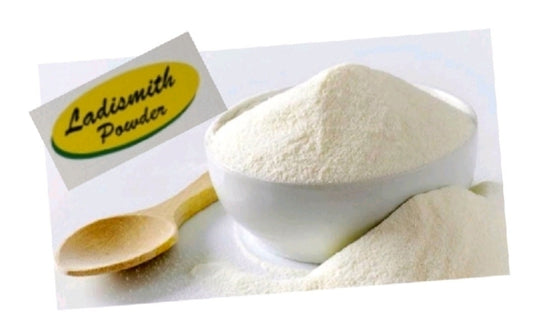
Collection: Dehydrated Vegetables & Full Cream Milk Powder
Nutritional Value & Dehydration
Dehydrated vegetables retain nearly the identical nutritional content as fresh produce. This is achieved through a specialized air-drying process:
- Low-Temperature Drying: By gently evaporating water at lower temperatures, the nutritional composition remains stable.
- Freshness: The process preserves the veggies as close to their original state as possible while making them shelf-stable and lightweight.
- Note on Sourcing: While high quality, these vegetables are not certified organic as they are sourced from Fresh Food Markets.
Preparation & Usage
Dehydrated food is highly concentrated. Keep the following ratios and methods in mind:
- The 1:10 Ratio: 1kg of dehydrated vegetables is equivalent to approximately 10kg of fresh vegetables.
- Serving Size: A standard serving is between 30g and 50g per person.
- Cooking Method: 1. Cover the vegetables with boiling water. 2. Allow them to rehydrate for 20 minutes. 3. Add spices and cook as you would with fresh vegetables.
Storage & Shelf Life
Properly stored dehydrated vegetables can last up to 10 years. Quality is heavily dependent on environment:
- Environment: Store in a cool, dry, and dark area.
- Temperature: Higher temperatures significantly shorten the storage life.
- Preservation: Chip White (composed of corn, water, a trace of lime, propionic acid, and dextrose) is used to preserve color and prevent browning.
Pantry Moth Prevention
To avoid infestations of Indian meal moths or grain moths, follow these "Airtight" protocols:
- Containers: Use Mason jars with two-part lids or plastic containers with a gasket seal.
- The Freezer Trick: Place dry goods like flour in the freezer briefly to kill any potential eggs before moving them to the pantry.
- Rotation: Ideally, use dry foods within one month of purchase if they are not in airtight storage.
https://preppers-winkel.myshopify.com/collections/gedroogde-groente-dehydrated-vegetables?utm_campaign=share_orders&utm_content=android&utm_medium=product-links
*********
 Sold out